

Products


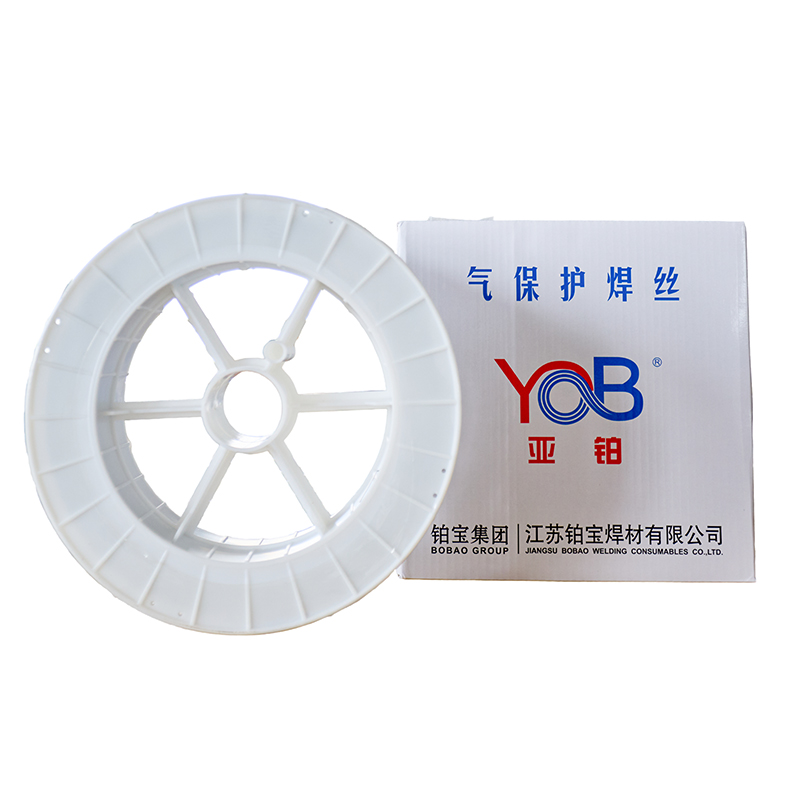

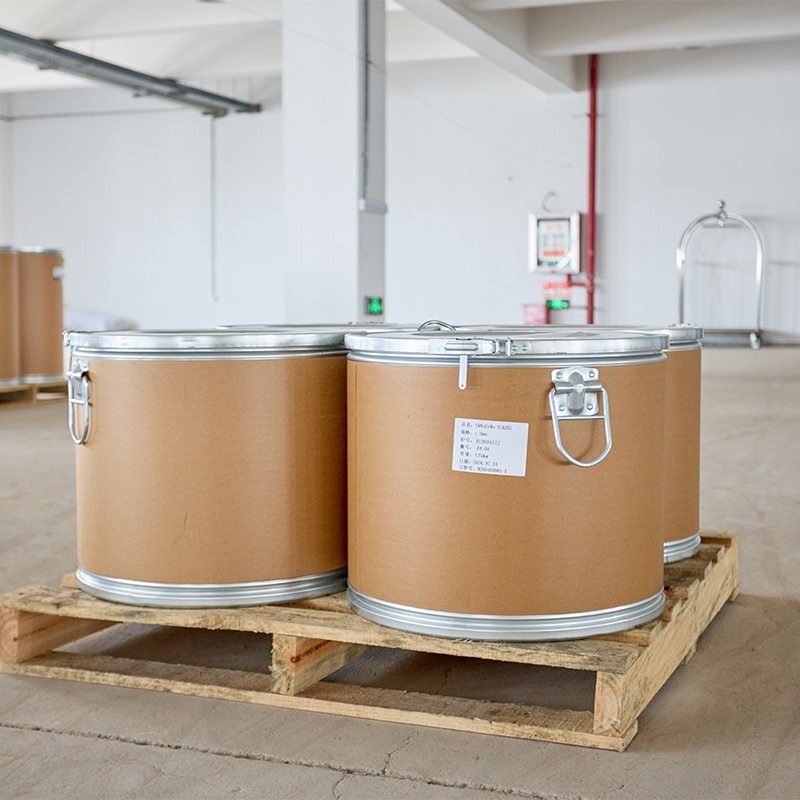
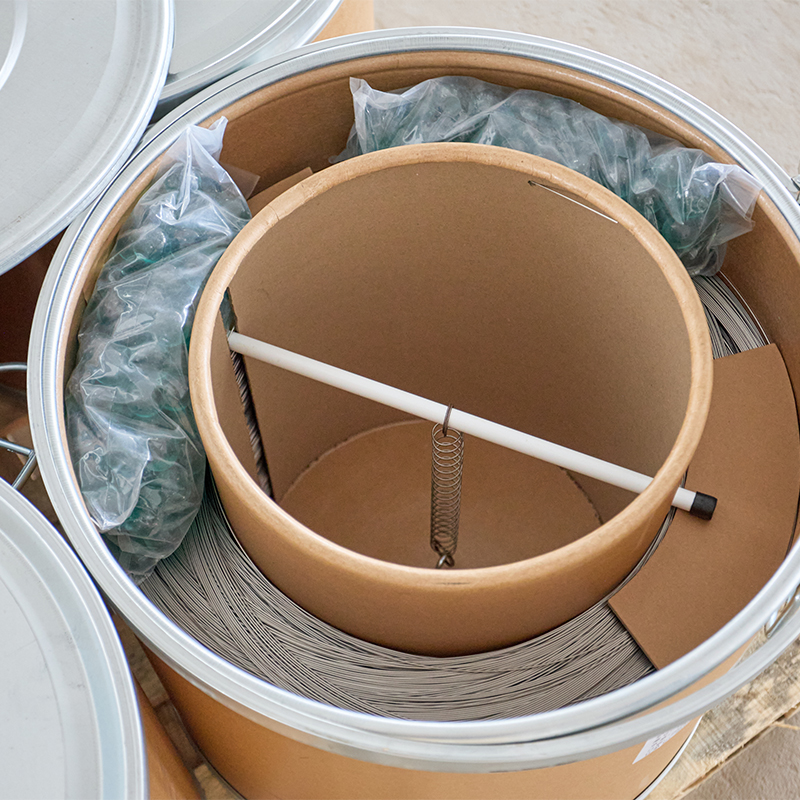
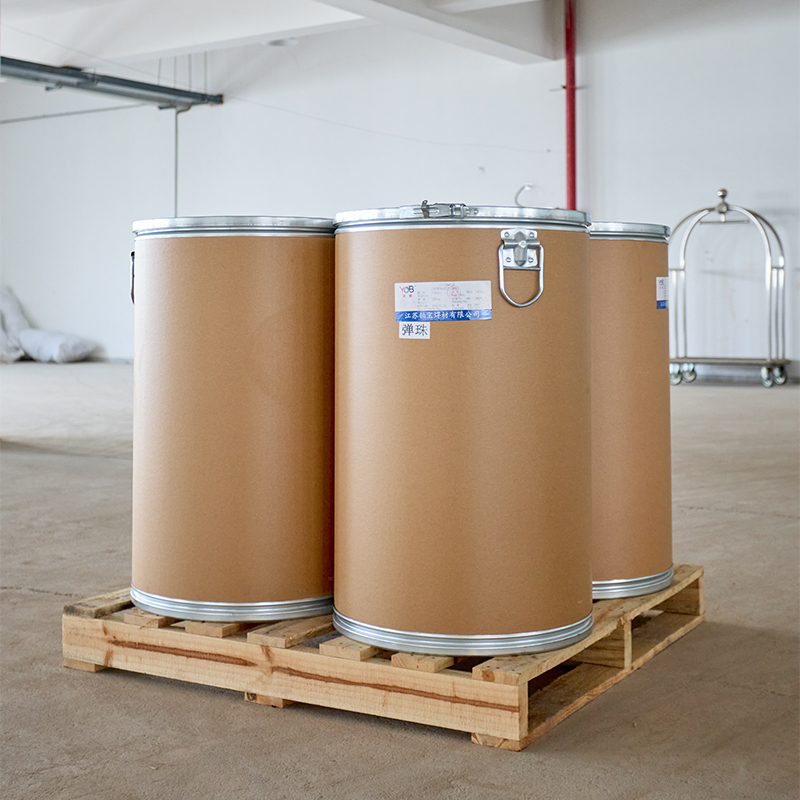
TIG Welding Wire for Stainless Steel with Back Seam Protection BGS-E316L
Product Description BGS-E316L TIG Welding Wire for Stainless Steel Argon Free / Back Side Protected Complies with: AWS A5.9 ER316L (mod) A5.9M ER316L (mod) Application Mainly used in petrochemical industry, power construction...
Description
marker
Product Description
BGS-E316L
TIG welding wire for stainless steel
Without argon supply / with back side protection
Meets the requirements:
AWS A5.9 ER316L (mod)
A5.9M ER316L (mod)
Purpose
Mainly used in the petrochemical industry, energy construction, high pressure vessel manufacturing and other industries to perform root welding of stainless steel pipelines and tanks.
Characteristics
1.The main composition is low carbon alloy C-18Cr-12Ni-2Mo, which is one of the most widely used welding materials for austenitic stainless steels;
2. This self-shielding TIG welding wire ensures that the protective coating penetrates into the back of the weld pool when welding. A dense protective layer is uniformly formed on the front and back surfaces of the weld, preventing oxidation of both sides of the welded joint. One-sided welding is provided with the formation of a seam on both sides. After cooling the weld, the welding slag automatically peels off, the surface of the weld has an aesthetic appearance and ensures good fusion with the base metal;
3.The application method of this welding wire is similar to ordinary argon arc welding wire for stainless steel. The special coating on the surface does not adversely affect weldability and mechanical properties. A stable arc, beautiful seam formation and good fluidity of the molten metal are ensured.


Chemical composition
| Metal content, wt.% | C | Mn | Si | Cr | Ni | Mo | P | S | Cu |
| Typical value | 0.028 | 1.36 | 0.63 | 19.3 | 12.69 | 2.7 | 0.017 | 0.008 | 0.01 |
Mechanical properties
| Mechanical properties | Yield strength, MPa | Tensile strength, MPa | Elongation, % | Impact strength, J/℃ | Heat treatment ℃×h |
| GB/T standard | — | — | — | — | — |
| AWS Standard | — | — | — | — | — |
| Typical value | — | 595 | 36 | — | — |
Welding position

Precautions
1. Follow the general rules for welding with solid welding wire for stainless steel;
2. Shielding gas: pure Ar;
3. Maintain interlayer temperature below 150℃.


contact us
Related Popular Products
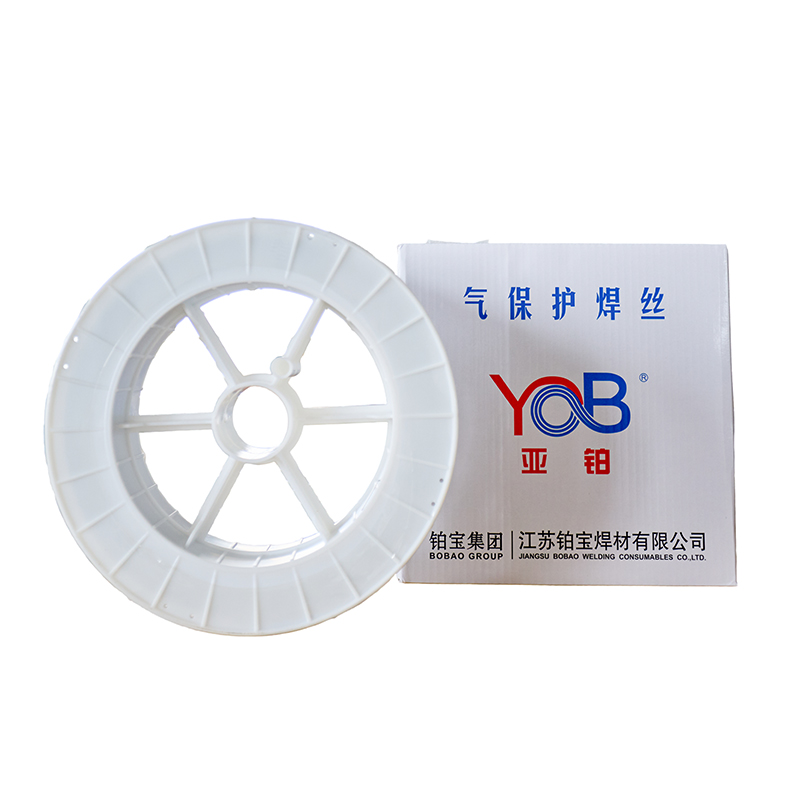
TIG Welding Wire for Stainless Steel BGS-410NiMo
Product Description of BGS-410NiMo TIG Welding Wire for Stainless Steel Martensit...
TIG Welding Wire for Stainless Steel BGS-310
Product Description of BGS-310 TIG Welding Wire for Stainless Steel Austenitic...
MIG Welding Wire for Stainless Steel BMS-385
Product Description of BMS-385 MIG Welding Wire for Stainless Steel Austenitic...
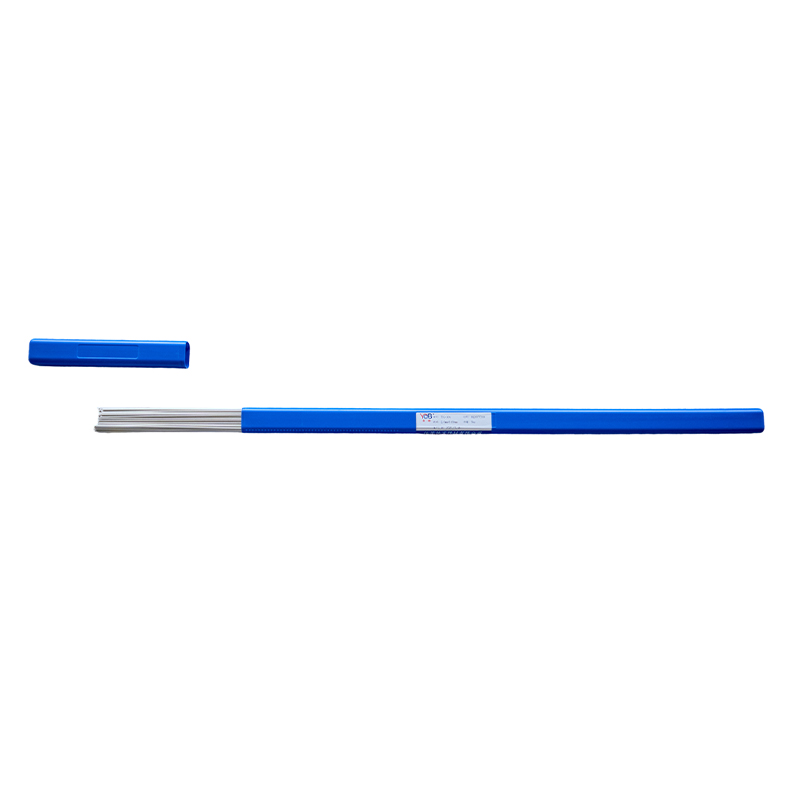
Electrodes for welding stainless steel BES-308
Product Description of BES-308 Hand Electrode for Stainless Steel (A102) Austenitic Ti...
TIG Welding Wire for Stainless Steel with Back Seam Protection BGS-E308L
Product Description of BGS-E308L Solid Stainless Steel TIG Welding Wire...
Electrodes for welding stainless steel BES-312A
Product Description of BES-312A Manual Stainless Steel Welding Electrode Austenitic Fe...
Electrodes for welding stainless steel BES-317L
Product Description BES-317L Electrode for manual arc welding of stainless steels (A03...
MIG Welding Wire for Stainless Steel BMS-317
Product Description of BMS-317 MIG Welding Wire for Stainless Steel Austenitic...
Electrodes for welding stainless steel BES-309
Product Description of BES-309 Hand Electrode for Stainless Steel Welding (A302) Austeni...
Electrodes for welding stainless steel BES-310
Product Description of BES-310 Handheld Electrodes for Stainless Steel Welding (A402) Austen...
Electrodes for welding stainless steel BES-318
Product Description BES-318 Electrode for manual arc welding of stainless steels (A212...
Electrodes for welding stainless steel BES-316L
Product Description of BES-316L Handheld Electrodes for Stainless Steel (A022) Austenitic...
TIG Welding Wire for Stainless Steel BGS-2594
Product Description of BGS-2594 TIG Welding Wire for Stainless Steel Austenitic...
Electrodes for welding stainless steel BES-309Nb
Product Description BES-309Nb Handheld Stainless Steel Welding Electrodes Austenitic...
Electrodes for welding stainless steel BES-307
Product Description BES-307 Hand Electrode for Stainless Steel (A172) Fully Automatic...
MIG Welding Wire for Stainless Steel BMS-316
Product Description of BMS-316 MIG Welding Wire for Stainless Steel Austenitic...


