

Products



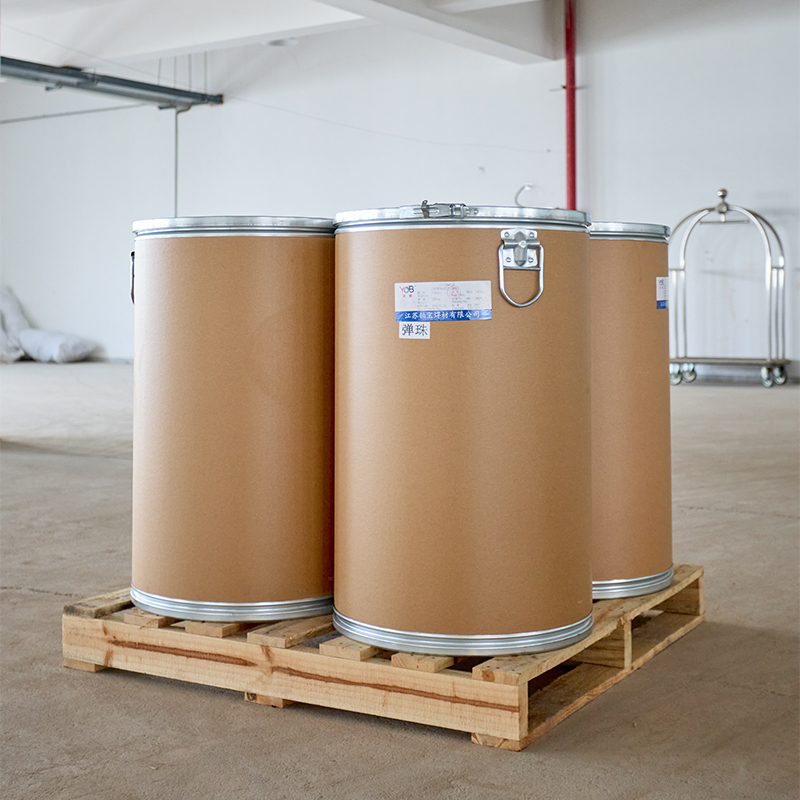
Electrodes for welding stainless steel BES-307
Product Description of BES-307 Handheld Electrode for Stainless Steel (A172) Fully Austenitic Type/For Non-Magnetic Steel Conforms to: GB/T 983 E307-16 AWS A5.4 E307-16 A5.4M E307-16 EN ISO 3581-A: E (18 9 Mn Mo) R 1 2 EN ISO 3581-B: ES307-16 Purpose Suitable for welding in...
Description
marker
Product Description
BES-307
Hand Electrode for Stainless Steel (A172)
Fully austenitic type / for non-magnetic steel
Complies with:
GB/T 983 E307-16
AWS A5.4 E307-16
A5.4M E307-16
EN ISO 3581-A: E (18 9 Mn Mo) R 1 2
EN ISO 3581-B: ES307-16
Purpose
Suitable for welding in areas requiring non-magnetic properties, such as armored steel plates, nuclear submarines and other structures. Also used for welding dissimilar steels that are prone to cracking and materials that are difficult to weld.
Characteristics
1.Hand-held electrode for stainless steel with titanium-calcium coating, main composition: 18%Cr-8%Ni-4%Mn;
2. Stable arc, beautiful weld formation, fine flakes, extremely low spatter, easy slag removal, excellent fire resistance of the coating and good resistance to pore formation;
3. Stable mechanical properties of the deposited metal, high percentage of successful X-ray inspection.


Chemical composition
| Alloy, wt.% | C | Mn | Si | Cr | Ni | Mo | P | S | Cu |
| GB/T standard | 0.04-0.14 | 3.30-4.75 | 1.00 | 18.0-21.5 | 9.0-10.7 | 0.5-1.5 | 0.04 | 0.03 | 0.75 |
| AWS standard | 0.04-0.14 | 3.30-4.75 | 1.00 | 18.0-21.5 | 9.0-10.7 | 0.5-1.5 | 0.04 | 0.03 | 0.75 |
| Typical value | 0.072 | 3.64 | 0.63 | 19.5 | 9.8 | 0.7 | 0.027 | 0.003 | 0.01 |
Mechanical properties
| Mechanical properties | Yield strength, MPa | Tensile strength, MPa | Elongation, % | Impact strength, J/℃ |
| GB/T standard | - | 590 | 25 | - |
| AWS standard | - | 590 | 30 | - |
| Typical value | - | 612 | 36 | - |
Recommended welding parameters: (DC+/AC)
| Electrode diameter, mm | 2.0×250 | 2.6×300 | 3.2×350 | 4.0×350 | 5.0×350 |
| Current, A (lower/horizontal position) | 30-55 | 50-85 | 80-120 | 100-150 | 140-180 |
| Current, A (vertical/ceiling position) | 20-50 | 45-80 | 70-110 | 90-135 | - |
Welding position

Precautions
1.See general instructions for using hand electrodes for stainless steel.
2.Preheating temperature and interlayer temperature should be kept below 150℃.


contact us
Related Popular Products
MIG Welding Wire for Stainless Steel BMS-347Si
Product Description of BMS-347Si MIG Welding Wire for Stainless Steel Austenitic...
Electrodes for welding stainless steel BES-310Z
Product Description of BES-310Z Handheld Stainless Steel Welding Electrode (A407) Austen...
Electrodes for welding stainless steel BES-308LZ
Product Description BES-308LZ Stainless Steel Manual Welding Electrode (A002) Automatic...
TIG Welding Wire for Stainless Steel BGS-347H
Product Description of BGS-347H TIG Welding Wire for Stainless Steel Austenitic...
Electrodes for welding stainless steel BES-308LT
Product Description BES-308LT Stainless Steel Manual Welding Electrode (A002) Automatic...
MIG Welding Wire for Stainless Steel BMS-630
Product Description of BMS-630 MIG Welding Wire for Stainless Steel Dispersion...
Electrodes for welding stainless steel BES-308LA
Product Description BES-308LA Handheld Stainless Steel Welding Electrode (A002A) Automatic...
TIG Welding Wire for Stainless Steel BGS-347L
Product Description of BGS-347L TIG Welding Wire for Stainless Steel Austenitic...
Electrodes for welding stainless steel BES-309H
Product Description of BES-309H Manual Stainless Steel Welding Electrode Austenitic T...
Electrodes for welding stainless steel BES-308L
Product Description of BES-308L Hand Electrode for Stainless Steel (A002) Austenitic T...
Electrodes for welding stainless steel BES-309LMo
Product Description of BES-309LMo Hand Electrode for Stainless Steel (A042) Austenitic...
TIG Cored Wire for Stainless Steel BGS-F316L
Product Description of BGS-F316L Core TIG Welding Wire for Stainless Steel...
MIG Welding Wire for Stainless Steel BMS-321
Product Description of BMS-321 MIG Welding Wire for Stainless Steel Austenitic...
MIG Welding Wire for Stainless Steel BMS-308LM
Product Description of BMS-308LM MIG Welding Wire for Stainless Steel Austenitic...
TIG Welding Wire for Stainless Steel BGS-316H
Product Description of BGS-316H TIG Welding Wire for Stainless Steel Austenitic...
TIG Welding Wire for Stainless Steel with Back Seam Protection BGS-E316L
Product Description of BGS-E316L TIG Welding Wire for Stainless Steel Without Feed...


