
General requirements for welding with electrodes, welding wire and fluxes
2026-08-14
I. Storage and use of welding electrodes
1. Electrode storage
① All types of welding electrodes should be stored separately, separated by brand to avoid mixing.
② Electrodes should be stored in a relatively dry warehouse. It is recommended to keep the indoor temperature above 10℃ and the relative humidity below 60%.
③ When storing, all types of electrodes should be kept at a distance of at least 300 mm from the floor and at least 300 mm from the walls to avoid moisture.
④ When transporting and storing electrodes, you must handle them carefully, avoiding damage to the coating. It is not recommended to stack electrodes too high to avoid damage to the coating due to pressure.
2. Humidification of electrodes
Moistening the electrodes affects the welding process and the quality of the welded joint, for example, it leads to increased metal spattering, instability of the welding arc, arc breaks, undercuts, difficulty removing slag and other defects. In some cases, this can lead to the formation of welding cracks and pores.
Low-hydrogen electrodes are especially sensitive to moisture. As the moisture content in the coating increases, the hydrogen content in the deposited metal increases, the likelihood of cracks and pores forming increases, and the mechanical properties of the welded metal decrease.
Therefore, electrodes for which the instructions indicate the need for calcination before use must be re-calcined in accordance with established requirements. Electrodes for which the instructions do not indicate mandatory calcination before use can usually be used directly after opening the package. However, if they are heavily moistened, they must be re-calcined before use.
Method for determining the need for re-calcination of electrodes:
A simple way: take several electrodes and place them horizontally between the thumb and forefinger of both hands, shake slightly. If the electrode is dry, a ringing metallic sound will be heard; if the electrode is wet, the sound will be dull.
3. Re-calcination of electrodes
① Repeated calcination of the electrodes is necessary, since a long time passes from the moment of manufacture to the moment of use, and the coating can absorb moisture to varying degrees. To ensure welding quality, it is necessary to strictly control the moisture content in the electrode coating.
Moisture content requirements vary for different types of electrodes. For electrodes with titanium, titanium-calcium, ilmenite and iron oxide coatings, the optimal moisture content in the coating is 1–2%. Too low a moisture content can lead to the formation of weld pores.
For low-hydrogen electrodes, the moisture content of the coating should be as low as possible. However, the calcination temperature should not be too high and the calcination time should not be too long. Otherwise, the alloying elements in the coating may oxidize, the coating may crack or peel off, which will lead to deterioration in the quality of the weld. Calcination of electrodes must be carried out strictly in accordance with the requirements of the instructions.
② An automatic drying oven with a moisture removal and temperature control system should be used to calcinate the electrodes. The accuracy and reliability of the oven temperature control system should be checked regularly.
③ Do not pack too many electrodes too tightly into the oven to avoid uneven temperature distribution and ensure efficient drying.
④ Only the number of electrodes required per day should be calcined. It is not recommended to repeat calcination of the same electrodes many times. Otherwise, the coating may be damaged, which will negatively affect the quality of the weld.
⑤ Already calcined electrodes easily absorb moisture when in contact with air. This is especially true in conditions of high humidity. Low-hydrogen electrodes, when exposed to high humidity air for more than 4 hours, may exceed the permissible moisture content in the coating.
Therefore, it is recommended to store calcined electrodes in a drying oven at a temperature of 50–100℃. It is optimal to provide the welder with the number of electrodes needed for approximately half of the work shift. During use, it is also necessary to observe moisture protection measures.
4. Disposal of electrodes
① After opening the package, if massive peeling of the electrode coating is found, large areas of rust on the metal rod after removing the coating, as well as the appearance of pores, cracks and other defects after welding, such electrodes should be discarded.
② Electrodes showing serious signs of damage, such as mold on the coating, peeling of the coating, severe cracking of the coating, or significant sticking of the coating, should be discarded.
II. Storage and use of welding wire
1. Storing welding wire
① If the recommended storage conditions are observed, welding wire in original, unopened packaging can maintain factory quality for at least 12 months. Actual shelf life depends on environmental conditions (temperature, humidity, etc.).
Recommended storage conditions in the warehouse: room temperature 10–40℃, maximum relative humidity - 60%.
② Welding wire should be stored in a dry, well-ventilated warehouse. Storage outdoors, as well as in rooms with harmful gases and aggressive media (for example SO₂) is prohibited. The premises must be kept clean.
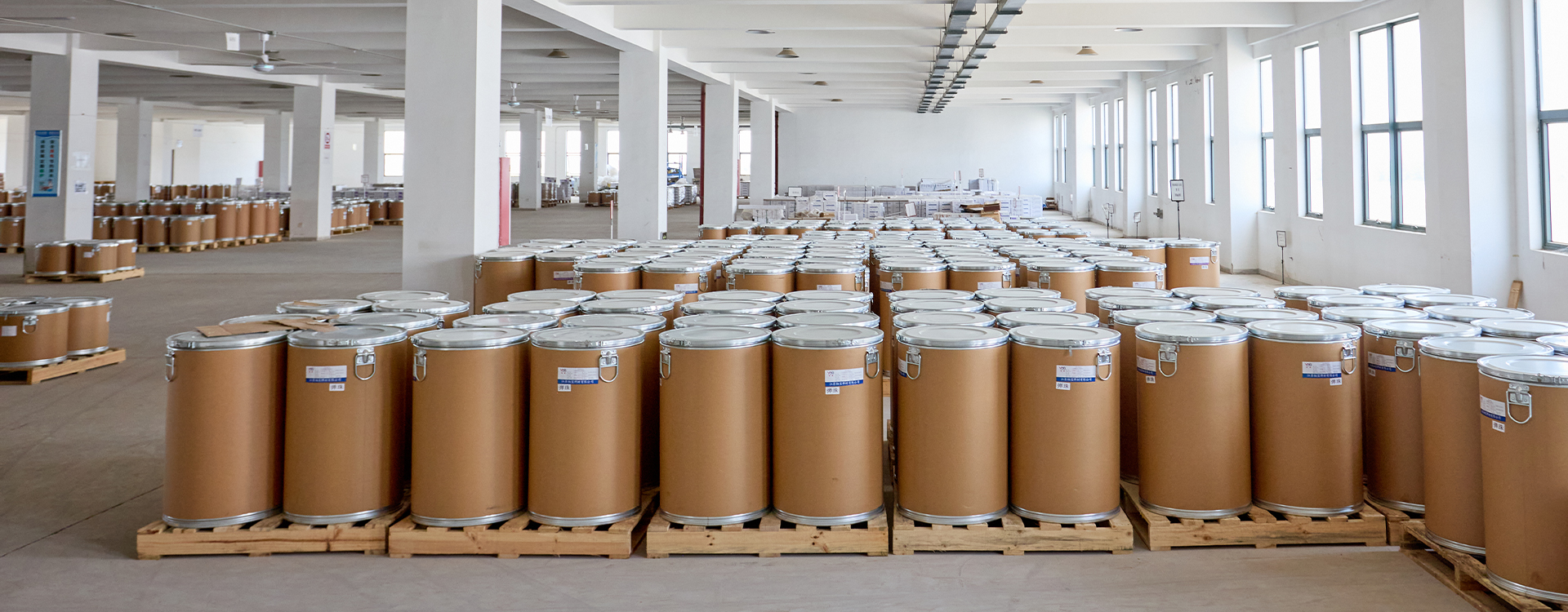
When storing, the wire should not be placed directly on the floor. It is recommended to store it on racks or pallets located at a distance of at least 250 mm from the floor and walls, ensuring good air circulation and preventing moisture.
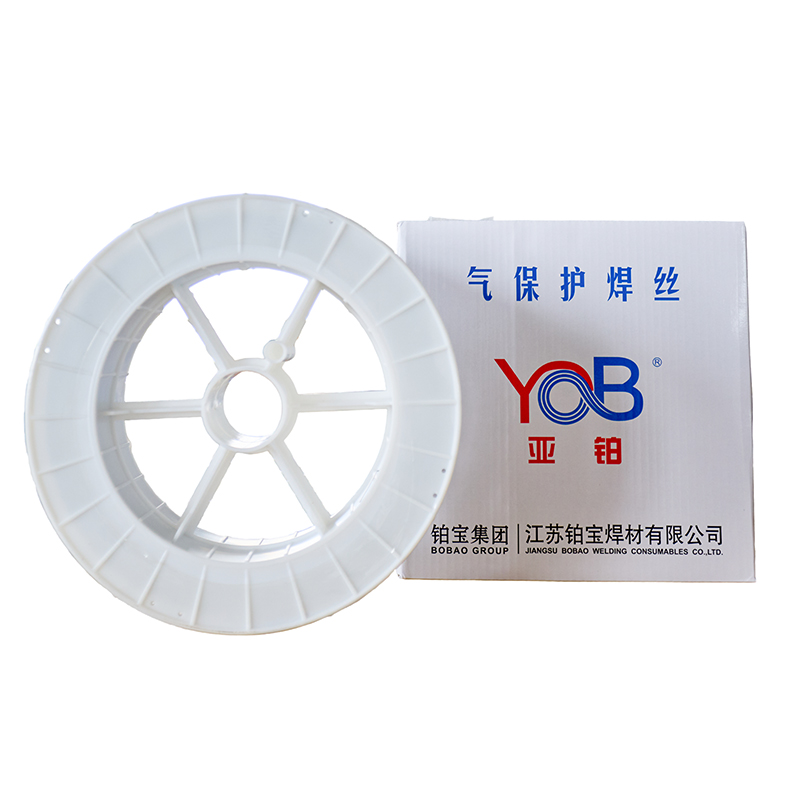
③ Since welding wire is used in different welding processes and for different types of steel, the shape of the spools and packaging methods may vary significantly. Depending on the type of winding equipment, reels can be in the form of disks, coils or drums.
During transportation, rough handling and dropping of packages must be avoided to prevent damage to the package. If the packaging is damaged, the welding wire may absorb moisture and become rusty.
For wire in coils, it is necessary to prevent deformation of the frame, otherwise it will not be possible to install it in the wire feeder.
3. Use of welding wire
① After opening the package, the welding wire should be used within 2 days.
② After opening the package, it is necessary to prevent the formation of condensation on the surface of the wire, as well as contamination with rust, oil, fatty substances and other hydrocarbon compounds. The surface of the wire must remain clean and dry.
③ If the wire has not been completely used and remains in the wire feeder overnight, it is necessary to cover the feeder (or reel) with a tarpaulin, plastic film or other protective material to reduce contact with air moisture.
④ If the welding wire is not used for more than 3 days, it must be removed from the feeder, returned to the original packaging, sealed and stored in a warehouse with appropriate storage conditions.
III. Storage and use of welding fluxes
① Flux must be stored in a dry warehouse. Moisture ingress can adversely affect the quality of welding. Care must be taken during transportation and handling to avoid damage to the packaging.
② Before use, the flux must be calcined according to the parameters specified in the instructions.
Fused flux is usually calcined at 250-300℃ for 2 hours.
The sintered flux is usually calcined at 300-400℃ for 2 hours.
When drying, the flux should be evenly distributed on the tray, the layer thickness should not exceed 5 cm.
③ Before welding, rust, oil, moisture and other contaminants must be removed from the surface of the welded joint.
④ When using remanufactured flux, remove slag, fine particles and other contaminants, then mix it thoroughly with new flux before reusing.
⑤ When using a constant current source, the DC polarity is usually reversed, that is, the welding wire is connected to the positive pole.
⑥ Re-calcination of flux.
Depending on the basicity of the flux, the application and other factors, the re-calcination temperature may vary.
When welding critical structures made of high-strength steels, the calcined flux should be stored in a thermostatic cabinet at a temperature of 120–150℃, used as needed and the storage time after calcination should be limited (usually 4 hours). Flux that exceeds the specified storage time must be re-calcined before use.